Jun 24, 2026
Learn how brands can use WhatsApp for marketing without spamming customers. Explore compliance rules, segmentation techniques, and quality rating tips for WhatsApp Business.
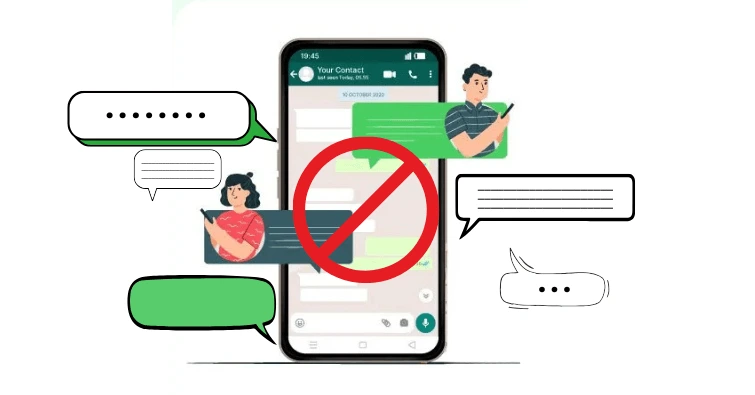
How to Use WhatsApp for Marketing Without Spamming Customers: A Brand-Safe Approach With NXCMSG
The rapid evolution of consumer communication channels has fundamentally transformed how brands interact with their audiences. Among these, WABA WhatsApp has emerged as one of the most effective touchpoints—enabling businesses to deliver offers, reminders, alerts, and customer support in real time.this account can no longer use whatsapp due to spam
However, the very advantages that make WhatsApp appealing have also led to its misuse. Many businesses have begun overusing the platform for unsolicited promotional pushes, resulting in users reporting, blocking, or labeling brands as spam. Not only does this undermine the customer experience, but it also threatens the business’s ability to keep using WhatsApp as a legitimate engagement channel.
To protect the ecosystem, WhatsApp enforces strict policies and evaluates brand behavior through a business quality rating system. Companies that misuse the platform face significant penalties—from messaging restrictions to temporary or permanent bans.
This blog explores the impact of WhatsApp spamming, compliance guidelines, and actionable methods for brands to engage users without compromising trust, with an emphasis on how WABA NXCMSG helps maintain superior compliance and communication quality.
The Consequences of Spamming on WhatsApp
Spam refers to unsolicited, irrelevant, or excessive promotional communication sent in bulk without user consent. On WhatsApp, this often manifests as:
✔ Non-opt-in promotional campaigns
✔ Repetitive sales offers
✔ Irrelevant messaging
✔ Broadcast blasts without segmentation
While marketers feel the temptation to leverage WhatsApp’s high engagement potential, spam inevitably leads to:
• Users blocking the business
• Negative brand perception
• Poor feedback ratings
• Increased opt-outs
• Reduced messaging reach
With Meta reporting that over 80% of WABA WhatsApp users engage with brands, misuse has become disruptive enough to attract enforcement. WhatsApp’s periodic enforcement updates show millions of accounts disabled for policy violations, signaling the platform’s zero-tolerance stance toward abuse.
Penalties for Violating WhatsApp Business Policy
To protect user experience, WhatsApp’s Business & Commerce Policy outlines what brands can and cannot send. Non-compliance may result in:
• Warnings and grace period for correction
• Temporary messaging limitations
• Conversation category restrictions
• Removal from commerce features
• Permanent platform ban for continued violations
The policy covers everything from message templates to catalog usage to ensure relevance, security, and user preference protection.
Avoiding Spam on WABA WhatsApp: Compliance Guidelines for Brands
To maintain trust and maximize campaign performance, brands must adopt responsible messaging behaviors.
Below are key best practices:
a. Streamline WhatsApp Opt-In for Better User Experience
WhatsApp requires explicit user consent for marketing messages. A compliant opt-in strategy ensures:
✔ Users expect your communication
✔ Messaging remains relevant
✔ Reports and blocks remain low
✔ Brand trust increases
Best practices include:
• Offer clear consent language for each message category
• Provide specific opt-out mechanisms
• Educate users about the value of WhatsApp notifications
• Keep opt-in and opt-out flows frictionless
b. Maintain Awareness of Policy-Compliant Use Cases
WhatsApp restricts certain industries, products, and commerce activities. For example:
• Pharmacies may provide medical reminders but not sell regulated drugs
• Supplements may be discussed but not transacted through commerce features
• Digital services like TV packs can send alerts but may not use catalogs
Brands must stay aligned with evolving policy standards based on geography and regulatory structures.
c. Use Approved WhatsApp Message Types
WhatsApp separates conversations into categories such as:
• Marketing
• Utility
• Authentication
• Service
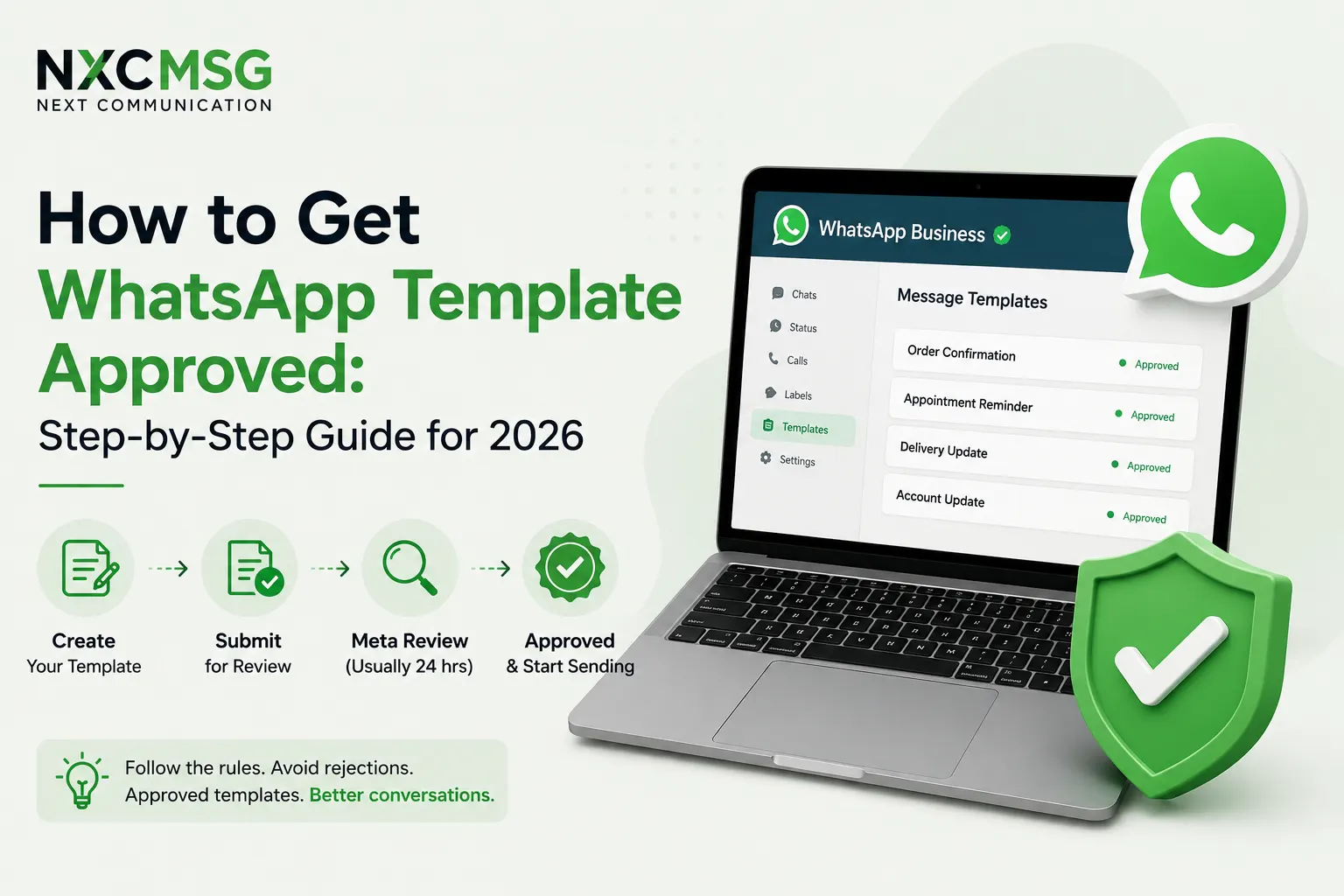
Marketing messages must use approved templates, while service interactions may occur freely within the 24-hour response window.
Automated replies must also support escalation to human agents when needed.
d. Respect User Opt-Out Behavior
Nothing damages business reputation faster than ignoring customer preferences. Brands must:
✔ Immediately process opt-out requests
✔ Prevent further spam triggers
✔ Allow category-specific opt-outs
This preserves brand goodwill and lowers complaint rates.
e. Segment Before You Send
Irrelevant messages annoy customers and reduce campaign performance. With proper segmentation, brands can tailor campaigns based on:
• Purchase history
• Demographics
• Interests
• Intent signals
• Engagement behavior
This increases CTR, conversions, and long-term opt-ins.
f. Maintain a Healthy WABA Quality Rating
WhatsApp assigns High (Green), Medium (Yellow), or Low (Red) ratings based on:
• Block rate
• Report rate
• Message relevance
• User engagement signals
A high-quality rating enables:
✔ Higher messaging volumes
✔ Better template approval rates
✔ Access to advanced features
✔ Faster scale during campaigns
A low rating triggers restrictions and may cap the brand’s messaging capacity.
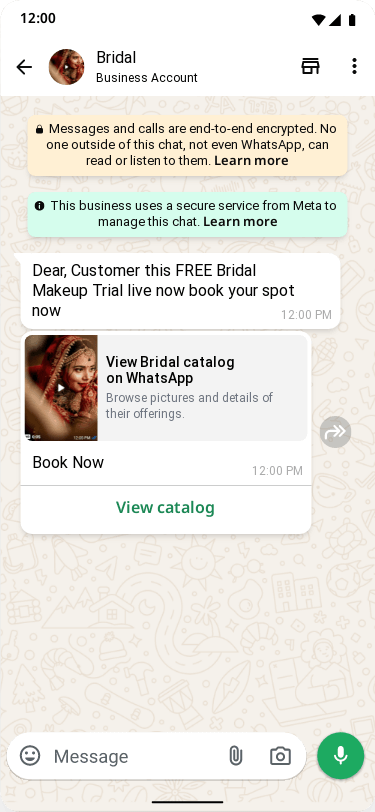
9 Practical Tips to Improve Your WABA WhatsApp Business Account Quality Rating
To sustain trust and maximize delivery rates, brands should:
1. Send only to opted-in users
2. Verify the WABA WhatsApp business account
3. Personalize templates based on user behavior
4. Limit unnecessary frequency
5. Offer category-specific opt-outs
6. Avoid repeating identical promotional pushes
7. Monitor feedback and block signals
8. Optimize templates for clarity and relevance
9. Maintain policy compliance across messaging and commerce
How WABA NXCMSG Helps Brands Avoid Spam and Improve Compliance
WABA NXCMSG is designed to help businesses use WhatsApp responsibly by providing:
✔ Policy-compliant campaign workflows
✔ Integrated opt-in & opt-out management
✔ Customer segmentation & targeting tools
✔ Message template management & approvals
✔ Quality rating monitoring
✔ Real-time analytics on blocks, opt-outs, and reports
✔ Automation without over-messaging risk
By aligning automation with policy compliance, NXCMSG enables brands to:
✓ Reduce spam behaviors
✓ Protect account reputation
✓ Increase message delivery & engagement
✓ Build customer trust and loyalty
Conclusion
WhatsApp has become a powerful marketing and customer engagement channel — but responsible usage determines long-term success. Brands that abuse the platform with unsolicited messaging risk penalties, negative experiences, and permanent bans.
By adhering to compliance guidelines and leveraging platforms like WABA NXCMSG, businesses can:
✔ Scale communication safely
✔ Deliver personalized experiences
✔ Protect brand integrity
✔ Unlock higher conversions
✔ Build lasting customer relationshipsing add-ons for the blog you approved.