Jun 24, 2026
Learn how to automate WhatsApp for business using WhatsApp Business API. Step-by-step guide to chatbots, auto-replies, bulk messages, CRM integration, and sales automation in 2026.
How to AutomateWhatsApp for Business (Complete 2026 Guide)
WhatsApp has
become the most powerful customer communication channel for businesses. With
over 2 billion users globally, automating WhatsApp allows businesses to respond
faster, reduce support costs, and increase conversions — without spamming
customers.
In this guide,
you’ll learn how to automate WABA WhatsApp for business, what tools you need,
and best practices to stay compliant with Meta’s policies.
What Is
WhatsApp Automation?
WhatsApp
automation means using software, chatbots, and workflows to send and receive
messages automatically on WhatsApp without manual intervention.
Automation is only
officially allowed through the WhatsApp Business API, not regular
WhatsApp or WhatsApp Business App.
Why Automate
WhatsApp for Business?
WhatsApp
automation helps businesses:
• Respond
instantly to customer queries
• Send order
updates, reminders, and alerts automatically
• Recover
abandoned carts
• Qualify leads
24/7
• Reduce human
support workload
• Improve customer experience and conversion rates
Step 1: GetWhatsApp Business API Access
To automate
WhatsApp, you must apply through a Meta-approved WhatsApp API provider
(BSP).
A BSP helps
with:
• WhatsApp API
access
• Meta Business
verification
• Hosting &
infrastructure
• Message
template approvals
• Billing &
compliance
You cannot
automate WhatsApp using personal or unofficial tools. Doing so can permanently
block your number.
Step 2: VerifyMeta Business Manager
Before
automation, your business must be verified in Meta Business Manager.
Requirements:
• Business
name & address
• Website with
Privacy Policy & Terms
• Business
email domain
• Legal
documents (GST, CIN, or registration proof)
Verification usually takes 1–3 working days.
Step 3: SetUp Automated Replies
Once API access
is approved, you can configure automated messages such as:
1. Greeting
Messages
Automatically
sent when a user messages your business for the first time.
2. Away
Messages
Sent outside
business hours to manage expectations.
3. FAQ
Auto-Replies
Instant
responses to common questions like pricing, delivery, or support.
Chatbots are
the backbone of WhatsApp automation.
You can build bots for:
• Lead
qualification
• Appointment
booking
• Product
selection
• Order
tracking
• Support
ticket creation
Advanced chatbots use buttons, lists, and quick replies to guide users without confusion.
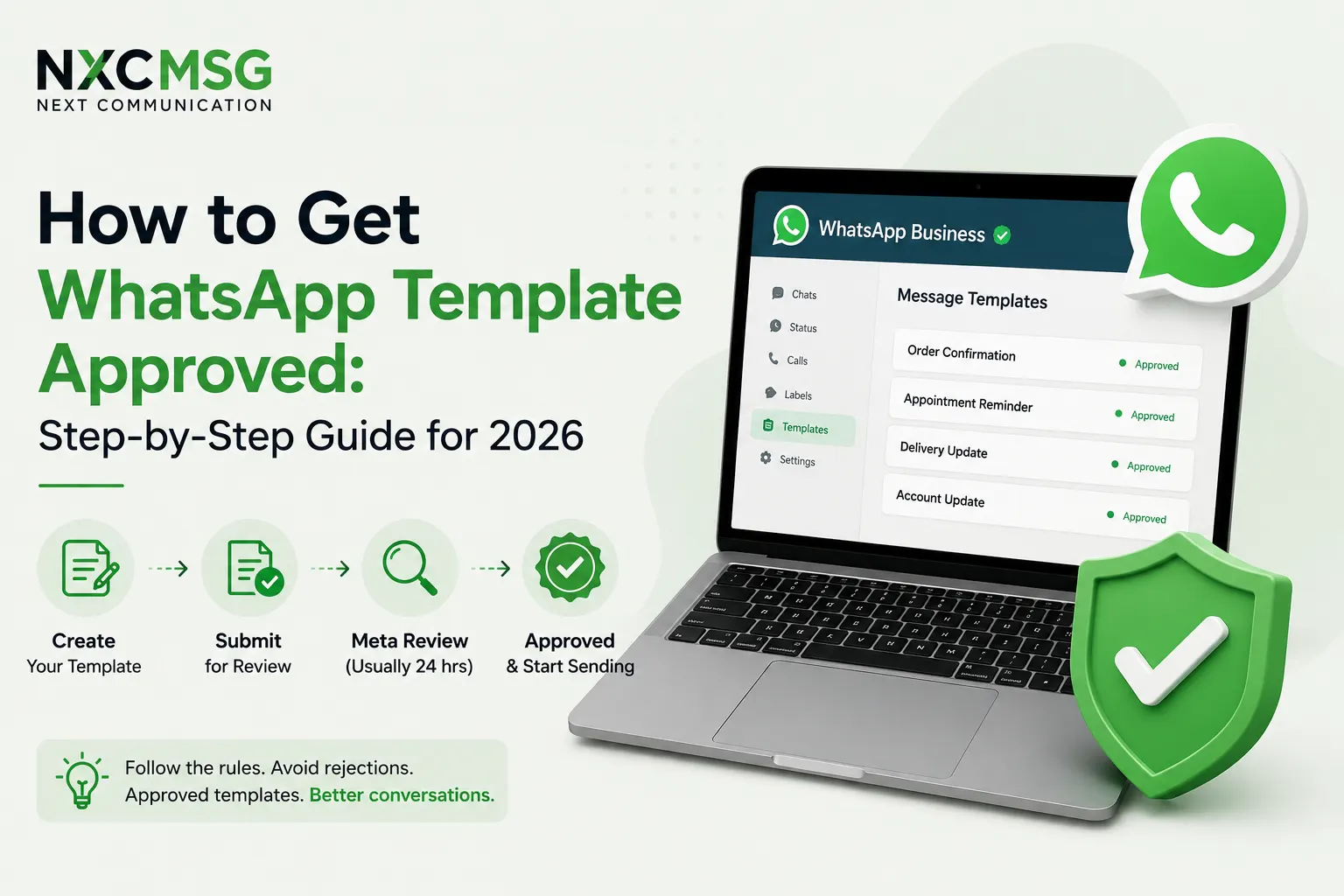
Step 5: Create& Get Message Templates Approved
Businesses
cannot send automated messages freely on WhatsApp.
You must
submit message templates for:
• Marketing
messages (offers, promotions)
• Utility
messages (order updates, reminders)
• Authentication
messages (OTP, login alerts)
Templates are
reviewed by Meta and usually approved within minutes to 24 hours.
✅ Emojis
are allowed
❌ Misleading
or spammy content gets rejected
Step 6:
Automate Sales & Marketing Workflows
With WhatsApp
automation, you can create workflows like:
• Lead →
Auto-welcome → Qualification → Sales follow-up
• Abandoned
cart → Reminder → Discount → Checkout
• Post-purchase
→ Delivery updates → Feedback request
This turns
WhatsApp into a full sales and engagement funnel.
Step 7:Integrate WhatsApp with CRM & Tools
WhatsApp
automation becomes more powerful when integrated with:
• CRM systems
(Zoho, HubSpot, Salesforce)
• E-commerce
platforms (Shopify, WooCommerce)
• Payment
gateways
• Helpdesk
tools
This ensures
all chats, customer data, and sales history stay in one place.
Best Practices
for WhatsApp Automation
To avoid
account suspension and improve performance:
• Always
take explicit user opt-in
• Personalize
messages wherever possible
• Avoid message
flooding
• Use
automation to help — not annoy
• Monitor
quality rating regularly
Is WhatsApp
Automation Legal?
Yes — if
done via WhatsApp Business API and Meta-approved providers.
Illegal tools,
browser extensions, or unofficial automation software can:
• Get your
number banned
• Damage brand
trust
• Violate user
privacy laws
Counclustion
Automating
WhatsApp for business is no longer optional in 2026 — it’s a competitive
advantage.
When done
correctly, WhatsApp automation:
• Improves
response time
• Boosts
conversions
• Enhances
customer satisfaction
• Reduces
operational costs
The key is
choosing the right WhatsApp API provider, using approved automation, and
focusing on value-driven conversations — not spam.