Jun 24, 2026
Learn how WhatsApp Dynamic Messaging helps businesses send personalized messages at scale using WhatsApp Business API. Boost engagement, conversions, and ROI.
WhatsApp Dynamic Messaging: Send Personalized Messages at Scale
In today’s competitive digital world, customers expect personalized communication — not generic bulk messages. Businesses that continue sending one-size-fits-all broadcasts are seeing declining engagement rates. The solution? WhatsApp Dynamic Messaging.
With over 2 billion active users globally, WhatsApp has become one of the most powerful communication platforms for businesses. By leveraging the WhatsApp Business API, companies can now send personalized messages at scale using dynamic variables and automation.
This guide explains what WhatsApp Dynamic Messaging is, how it works, its benefits, use cases, and best practices to maximize results.
What Is WhatsApp Dynamic Messaging?
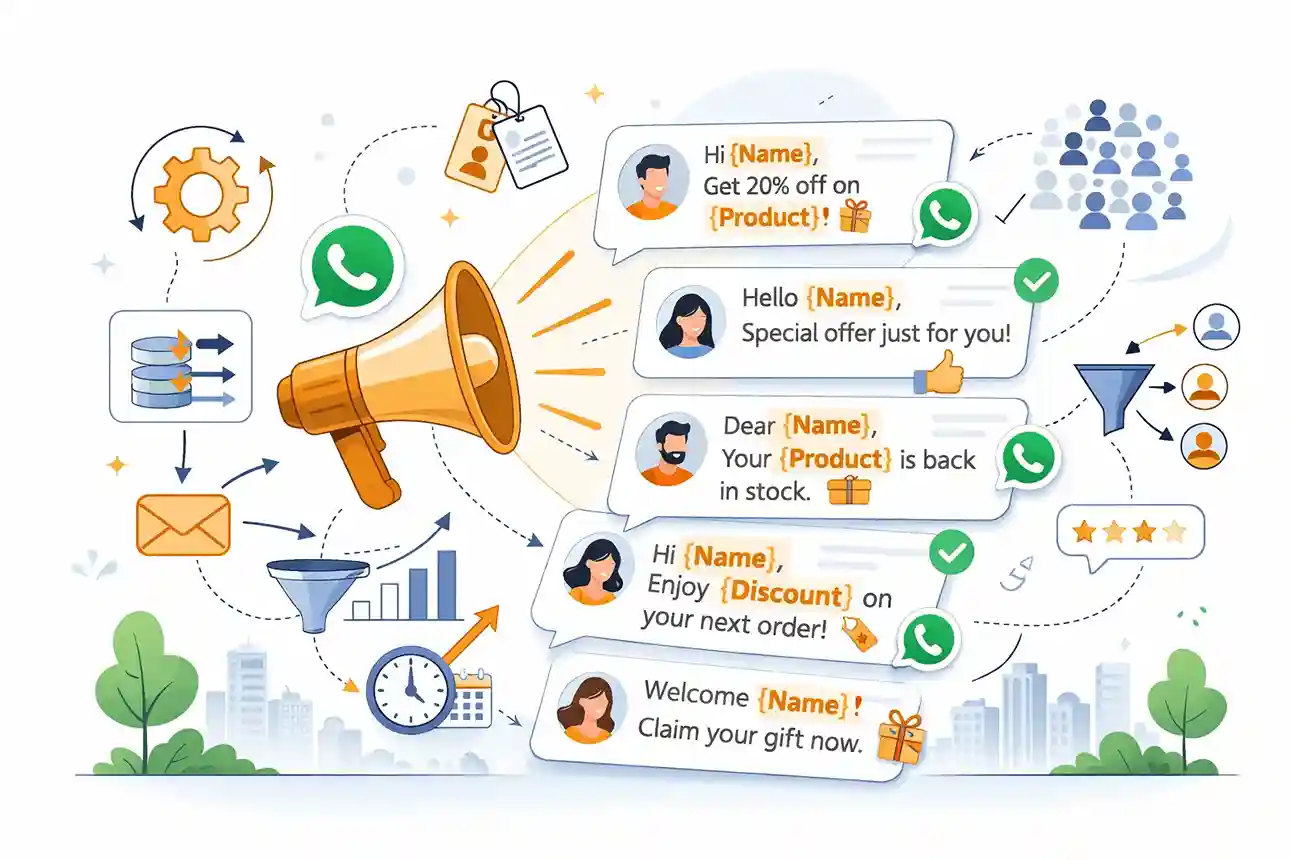
WhatsApp Dynamic Messaging is a method of sending automated WhatsApp messages where parts of the message change based on customer data.
Instead of sending:
“Hello Customer, your order is ready.”
You can send:
“Hi Riya, your order #4578 will be delivered on 20 February between 3–5 PM.”
The difference is personalization. The message content dynamically inserts customer-specific details such as:
• Name
• Order ID
• Appointment time
• Payment status
• Location
• Product interest
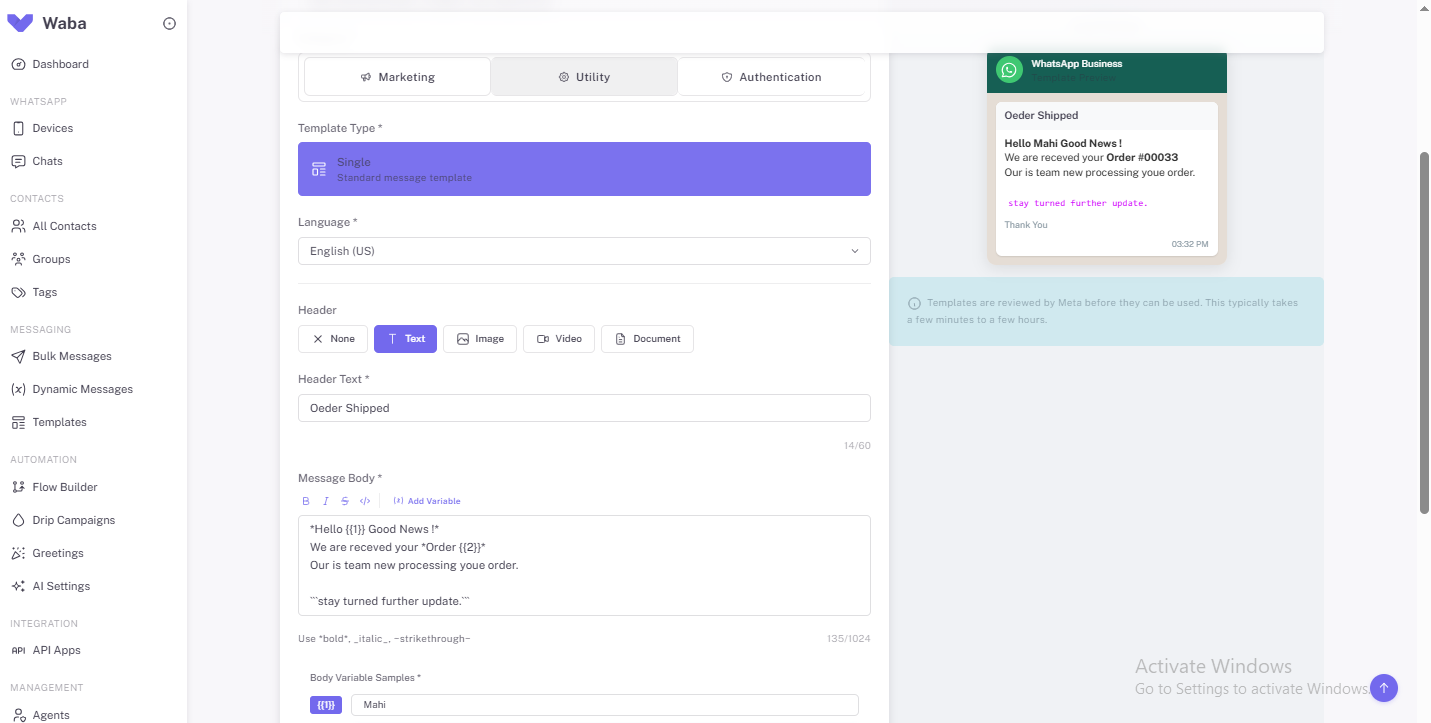
This is done using approved template messages with placeholders like:
Hello {{1}}, your booking for {{2}} is confirmed on {{3}}.
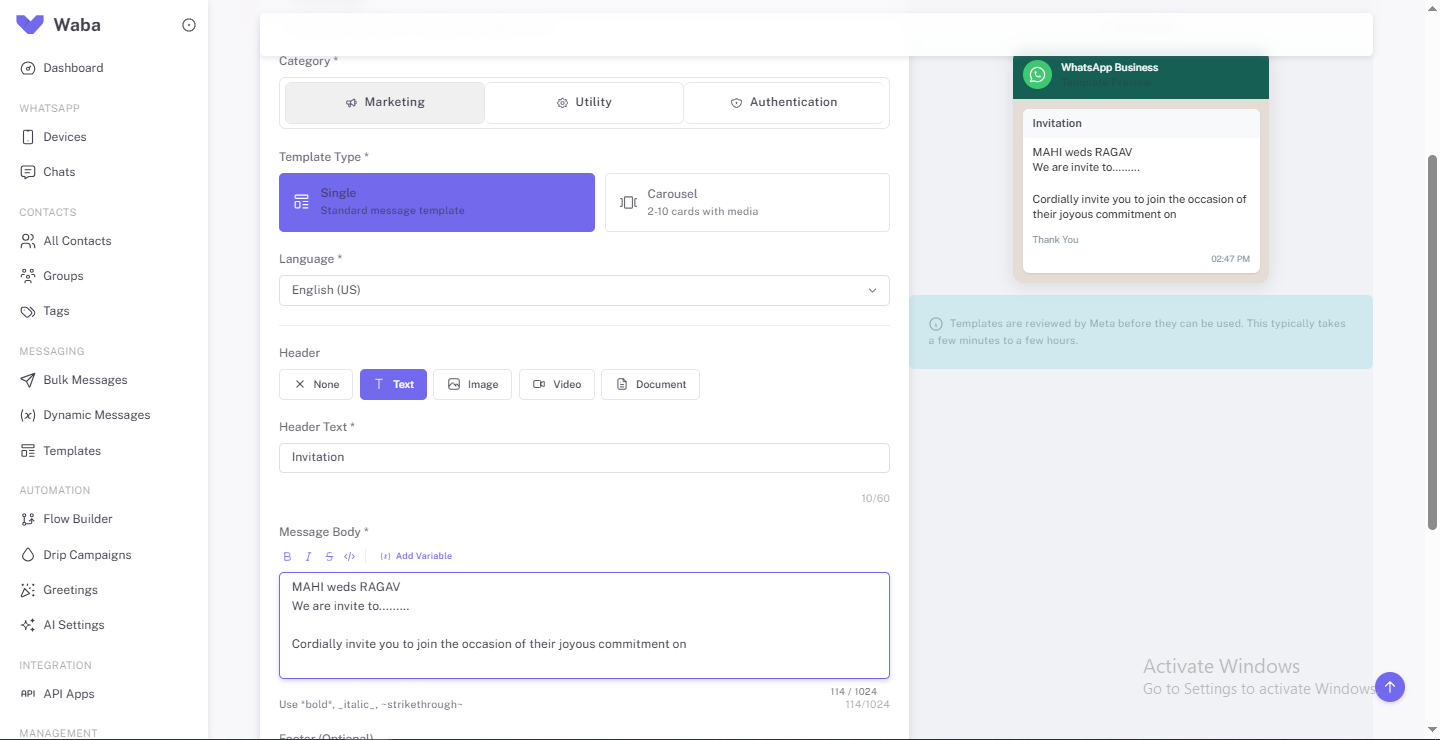 When sent, the system replaces variables automatically with real data.
Why Businesses Are Moving to Dynamic Messaging
Modern customers expect relevant communication. Studies consistently show that personalized messages generate significantly higher engagement compared to generic mass messaging.
Here’s why WhatsApp Dynamic Messaging is powerful:
1. Higher Open Rates
WhatsApp messages typically achieve 90%+ open rates, far higher than email marketing. When messages are personalized, response rates increase even further.
2. Improved Conversions
Dynamic reminders and follow-ups improve:
-
Appointment confirmations
-
Payment completions
-
Cart recovery
-
Event attendance
-
Repeat purchases
3. Better Customer Experience
Customers appreciate receiving accurate and timely information tailored to them. It builds trust and strengthens brand relationships.
4. Automation at Scale
Even if you send 10,000 messages, each recipient feels like the message was written just for them.
How WhatsApp Dynamic Messaging Works
To send dynamic messages, businesses use the WhatsApp Business API. Here’s the step-by-step process:
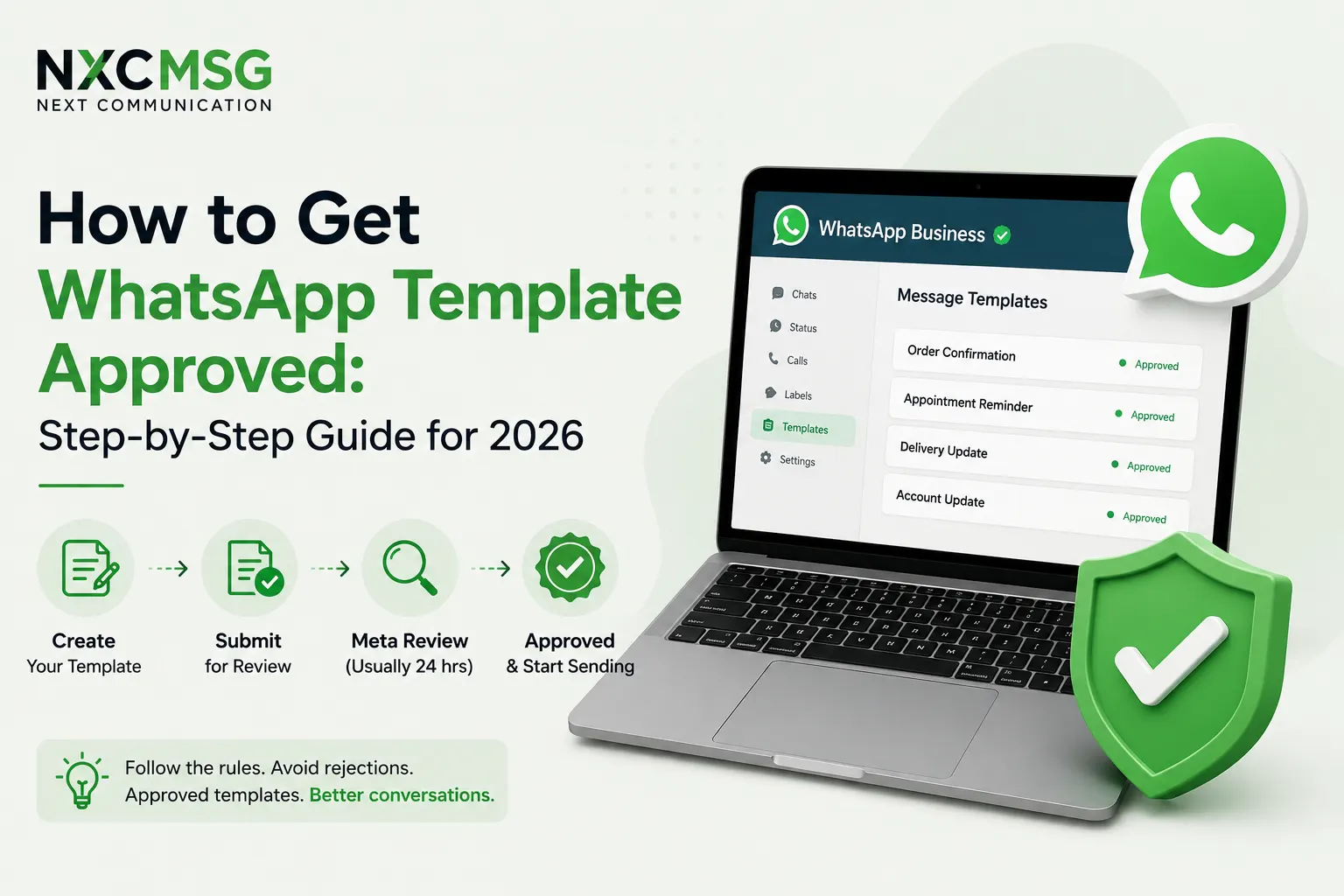
Step 1: Create an Approved Template
WhatsApp requires businesses to submit message templates for approval. These templates include dynamic placeholders like:
• {{1}} = Customer Name
• {{2}} = Order Number
• {{3}} = Delivery Date
Step 2: Connect CRM or Database
Your CRM stores customer information such as:
• Name
• Phone number
• Purchase details
• Booking dates
The API pulls this data when sending messages.
Step 3: Trigger Automation
Messages can be triggered by events like:
• Order placed
• Payment successful
• Cart abandoned
• Appointment scheduled
• Lead form submitted
Step 4: Send Personalized Message
The system automatically inserts relevant data into the template and delivers the message instantly
Use Cases of WhatsApp Dynamic Messaging
Dynamic messaging works across multiple industries.
1. eCommerce
-
Order confirmations
-
Shipping updates with tracking numbers
-
Abandoned cart reminders
-
Personalized product recommendations
-
Delivery rescheduling
Example:
Hi Arjun, your Nike Running Shoes will arrive tomorrow by 5 PM.
2. Travel & Tourism
-
Flight reminders
-
Hotel booking confirmations
-
Visa document alerts
-
Holiday package updates
Example:
Hello Sneha, your Goa trip starts on 10 March. Check-in time is 2 PM at SeaView Resort.
3. Education & Coaching
-
Course enrollment confirmation
-
Webinar reminders
-
Fee payment notifications
-
Result announcements
4. Healthcare
-
Appointment reminders
-
Prescription alerts
-
Test report notifications
5. Real Estate
-
Property recommendations
-
Site visit confirmations
-
EMI schedule reminders
Benefits of WhatsApp Dynamic Messaging for Marketing
Personalized Customer Journey
Each customer receives communication based on their stage in the buying process.
Reduced Manual Effort
Automation eliminates repetitive manual messaging.
Improved Retention
Timely reminders reduce churn.
Better ROI
Higher engagement means better return on marketing spend.
WhatsApp Dynamic Messaging vs Bulk Messaging
|
Feature |
Generic Bulk Messaging |
Dynamic Messaging |
|
Personalization |
No |
Yes |
|
Engagement Rate |
Moderate |
High |
|
Customer Trust |
Lower |
Higher |
|
Automation |
Basic |
Advanced |
|
Conversion Rate |
Lower |
Higher |
Dynamic messaging is not just about sending bulk messages — it is about sending relevant messages.
Best Practices for WhatsApp Dynamic Messaging
To maximize results, follow these best practices:
1. Keep Messages Clear and Concise
WhatsApp is a conversational platform. Avoid long paragraphs.
2. Use Customer Name
Addressing users by name increases response rates.
3. Add Call-to-Action
Examples:
• Confirm Now
• Pay Securely
• View Details
• Track Order
4. Avoid Spammy Language
Don’t overuse promotional content. Maintain value-driven communication.
5. Segment Your Audience
Send relevant messages based on:
• Purchase history
• Location
• Interests
• Behavior
Common Mistakes to Avoid
-
Sending too many messages
-
Not getting template approval
-
Ignoring opt-in requirements
-
Using irrelevant personalization
-
Poor timing
Sending too many messages
Not getting template approval
Ignoring opt-in requirements
Using irrelevant personalization
Poor timing
Proper compliance with WhatsApp policies is essential to avoid number restrictions.
Is WhatsApp Dynamic Messaging Allowed?
Yes, dynamic messaging is allowed when:
• You use approved templates
• Customers provide opt-in
• Messages follow WhatsApp Business policies
Using unofficial bulk software is risky and can result in account bans.
Benefits of WhatsApp Dynamic Messaging
While WhatsApp messaging does not directly influence search engine rankings, it indirectly supports SEO performance by:
• Increasing website engagement
• Improving lead conversions
• Reducing bounce rates
• Enhancing customer journey
When customers respond quickly and complete actions faster, your overall digital performance improves.
The Future of WhatsApp Dynamic Messaging
With AI integration, dynamic messaging will soon include:
• Behavior-based personalization
• Predictive product suggestions
• Smart chat automation
• AI-driven responses
Businesses that adopt early will gain a competitive edge.
Conclusion
WhatsApp Dynamic Messaging is transforming how businesses communicate with customers. Instead of sending generic bulk messages, brands can now deliver personalized, automated communication at scale.
Using the WhatsApp Business API, companies can:
• Increase engagement
• Improve conversions
• Automate workflows
• Enhance customer experience
• Drive higher ROI
If you want to stay competitive in 2026 and beyond, implementing WhatsApp Dynamic Messaging should be part of your marketing strategy.https://waba.nxccontrols.in/app/user/dynamic-messages